
This post is also available in:
 العربية
Once a purely corrective accessory, now evolved into an intelligent wearable ecosystem, one that enhances vision, monitors health, connects seamlessly to digital environments and reduces environmental impact. Today’s leading frames are as much about algorithms and materials science as they are about aesthetics.
From AI-driven customisation to biodegradable polymers and recycled ocean plastics, eyewear is transforming into a category that reflects both technological sophistication and environmental responsibility. The result is a new generation of glasses designed not just to help us see better, but to help us live smarter and greener.
Tech-Integrated Vision
Modern smart eyewear has moved far beyond early prototypes. Lightweight chips, micro-projectors and embedded sensors now allow glasses to overlay digital information in real time. Navigation cues, message alerts, translation prompts and productivity dashboards can appear within the wearer’s field of view without interrupting natural sight.
Industry leaders such as Meta, Google and Vuzix continue to refine these capabilities, focusing on intuitive interfaces and subtle design.
Voice assistants powered by AI allow hands-free operation, while machine-learning algorithms adapt displays to lighting conditions, user habits and visual needs.
Health monitoring is another major leap forward. Embedded sensors can track eye strain, blue-light exposure, UV levels and even posture habits.
Instead of reacting to discomfort, users receive real-time alerts encouraging breaks or adjustments, transforming eyewear into a preventive wellness device.
Sustainability as a Design Standard
Parallel to technological progress is a powerful sustainability movement reshaping manufacturing. Consumers increasingly expect eco-friendly materials and transparent supply chains, and brands are responding with innovations that reduce waste while maintaining luxury appeal.
Frames made from plant-based acetate, biodegradable polymers and recycled marine plastics are
becoming mainstream.
Advances in additive manufacturing also allow 3D-printed frames tailored to each wearer’s facial geometry, eliminating excess inventory and minimising material waste.
This on-demand production model not only lowers emissions but also enables hyper-personalised design.
Sustainability is no longer a niche selling point; it is becoming a baseline requirement for premium eyewear collections worldwide.
 Style Meets Intelligence
Aesthetics remain central to adoption. In 2026, the dominant look blends retro silhouettes with futuristic detailing. Geometric frames with angular lines house discreet sensors, while classic aviators conceal micro-speakers and cameras. Adjustable nose bridges, featherweight composites and ergonomic hinges ensure comfort for all-day wear.
Luxury fashion houses and performance brands alike are embracing this fusion of style and technology, proving that smart glasses need not look “techy.” Instead, they resemble designer eyewear with hidden intelligence.
Market Adoption and Remaining Challenges
Despite rapid innovation, adoption still faces hurdles. Pricing remains a barrier for entry-level consumers and battery life continues to limit extended AR usage.
Privacy concerns also persist, particularly around cameras and always-on sensors. Manufacturers are addressing these issues through opt-in recording indicators, local data processing, and improved energy-efficient chipsets.
As production scales and component costs fall, analysts expect smart eyewear to become as common as wireless earbuds within a few years.
Looking beyond 2026, the trajectory points toward hybrid AR-VR eyewear capable of replacing multiple devices. Future models may integrate adaptive lenses that automatically adjust prescription strength or tint depending on the environment and lighting.
AI companions embedded within frames could summarise conversations, translate speech instantly, or provide contextual reminders throughout the day.
At the same time, sustainability will deepen as a competitive differentiator. Brands that combine advanced technology with circular manufacturing practices will set the industry standard. Eyewear is no longer simply about correcting vision; it is about enhancing perception. The convergence of artificial intelligence, augmented reality, and eco-engineering is redefining what glasses can do and what they represent.
For consumers and industry leaders alike, the message is clear: the future of eyewear isn’t just something you wear—it’s something you experience.
Noteworthy AI-Glasses
Today’s most compelling frames are those that think, adapt, and respect the planet, all while elevating personal style.
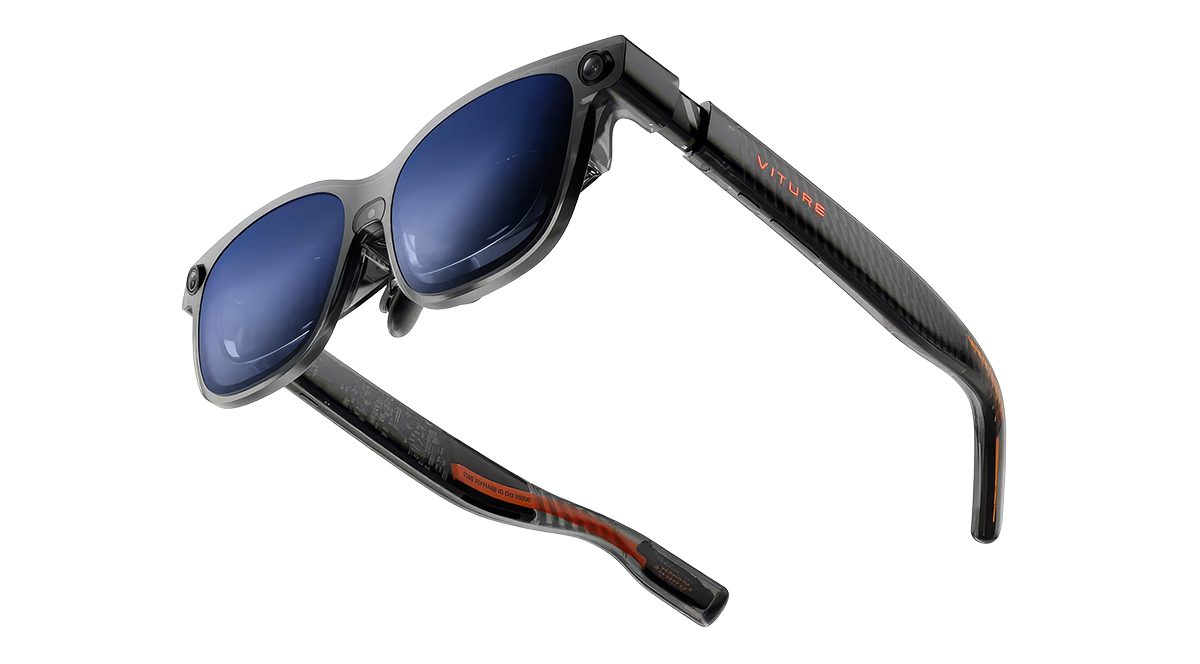
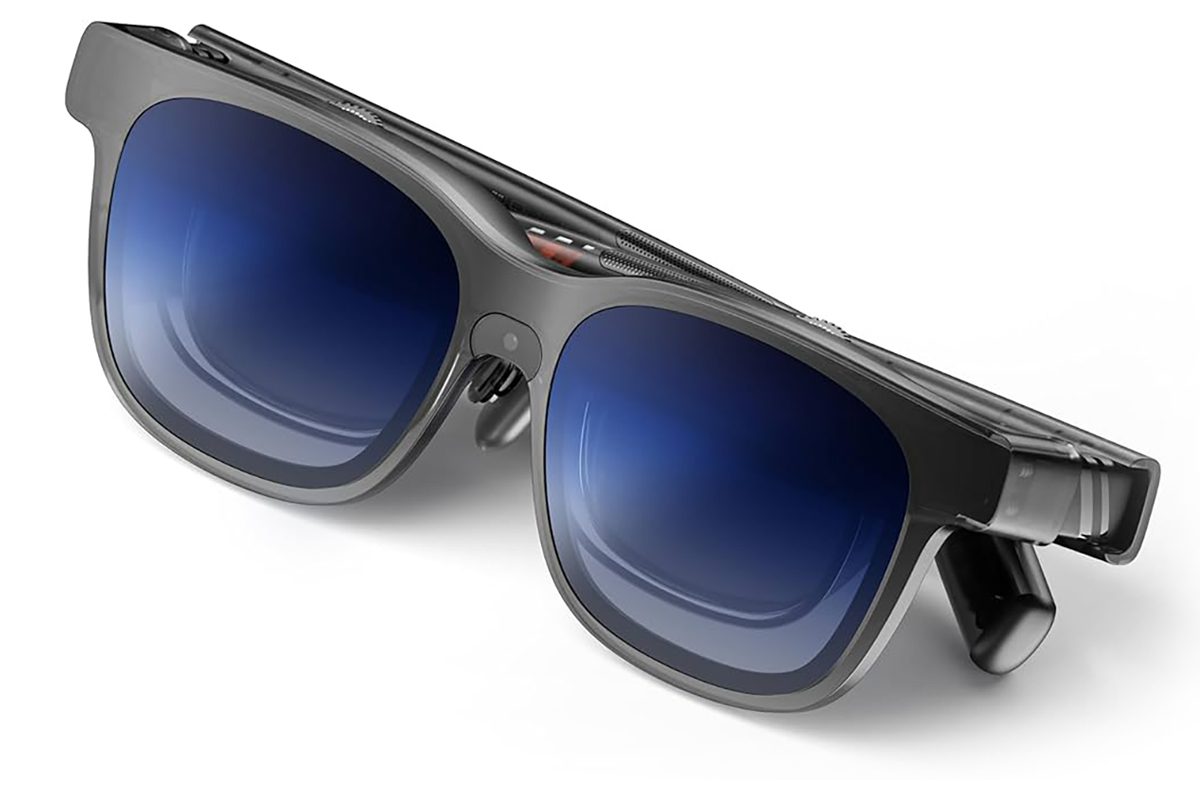 VITURE Luma Ultra XR Glass
A standout in immersive AI-assisted AR/XR experiences for 2026, the Luma Ultra boasts a brilliant high-brightness display, multi-camera system, and dynamic spatial tracking powered by advanced software—perfect for gaming, entertainment, and high-precision AR workflows.
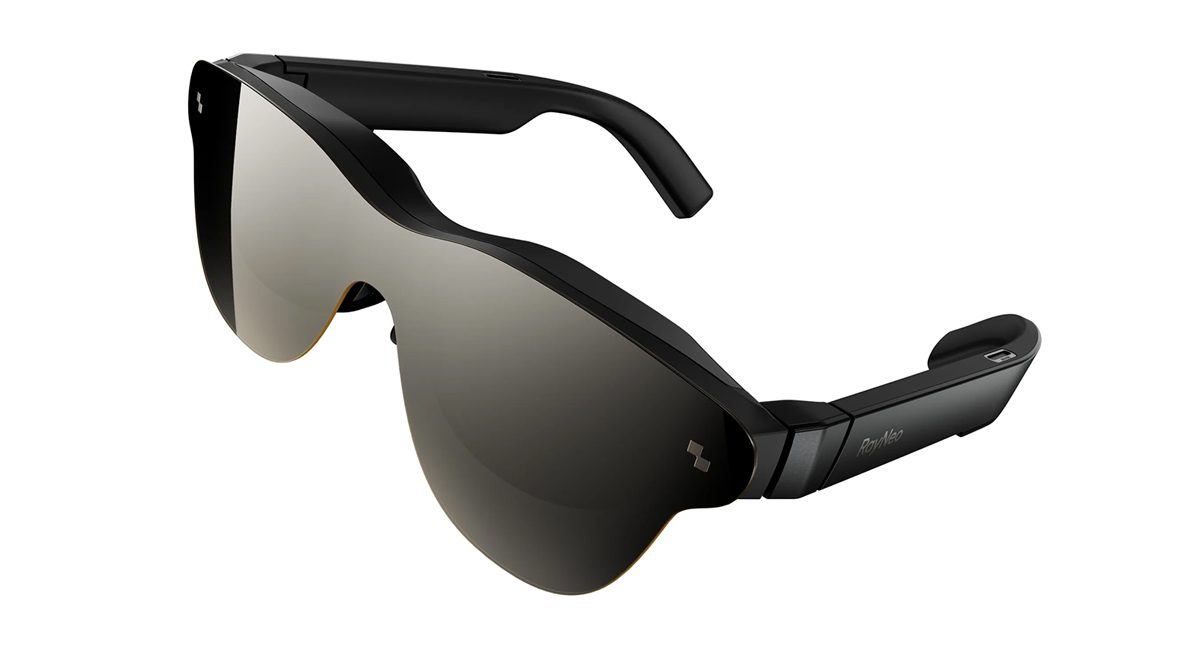
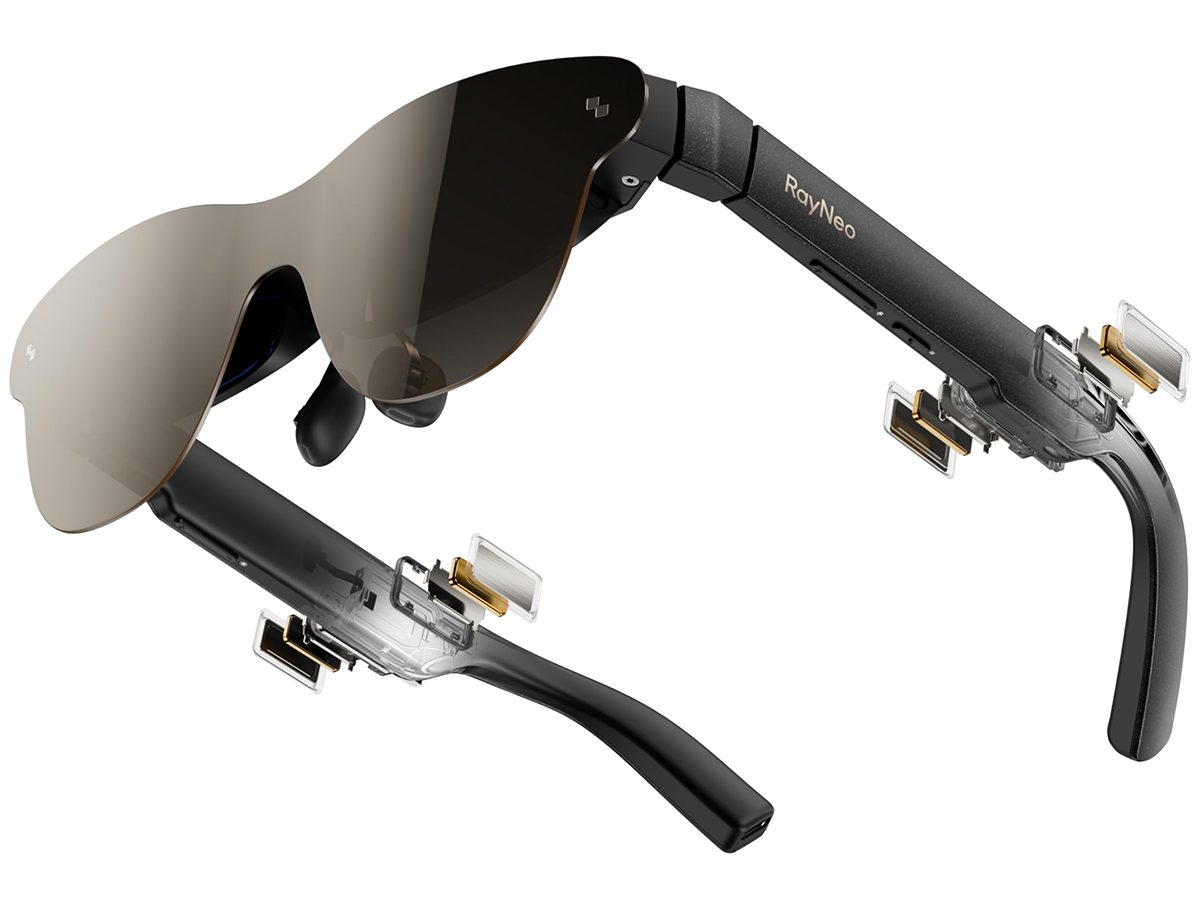 RayNeo Air 3s XR Glasses
Praised for ultra-wide virtual screens and solid AR performance, RayNeo’s Air 3s delivers a smooth mixed-reality viewing experience. It’s ideal for productivity, streaming, and intuitive AI-powered interaction on mobile and console platforms.
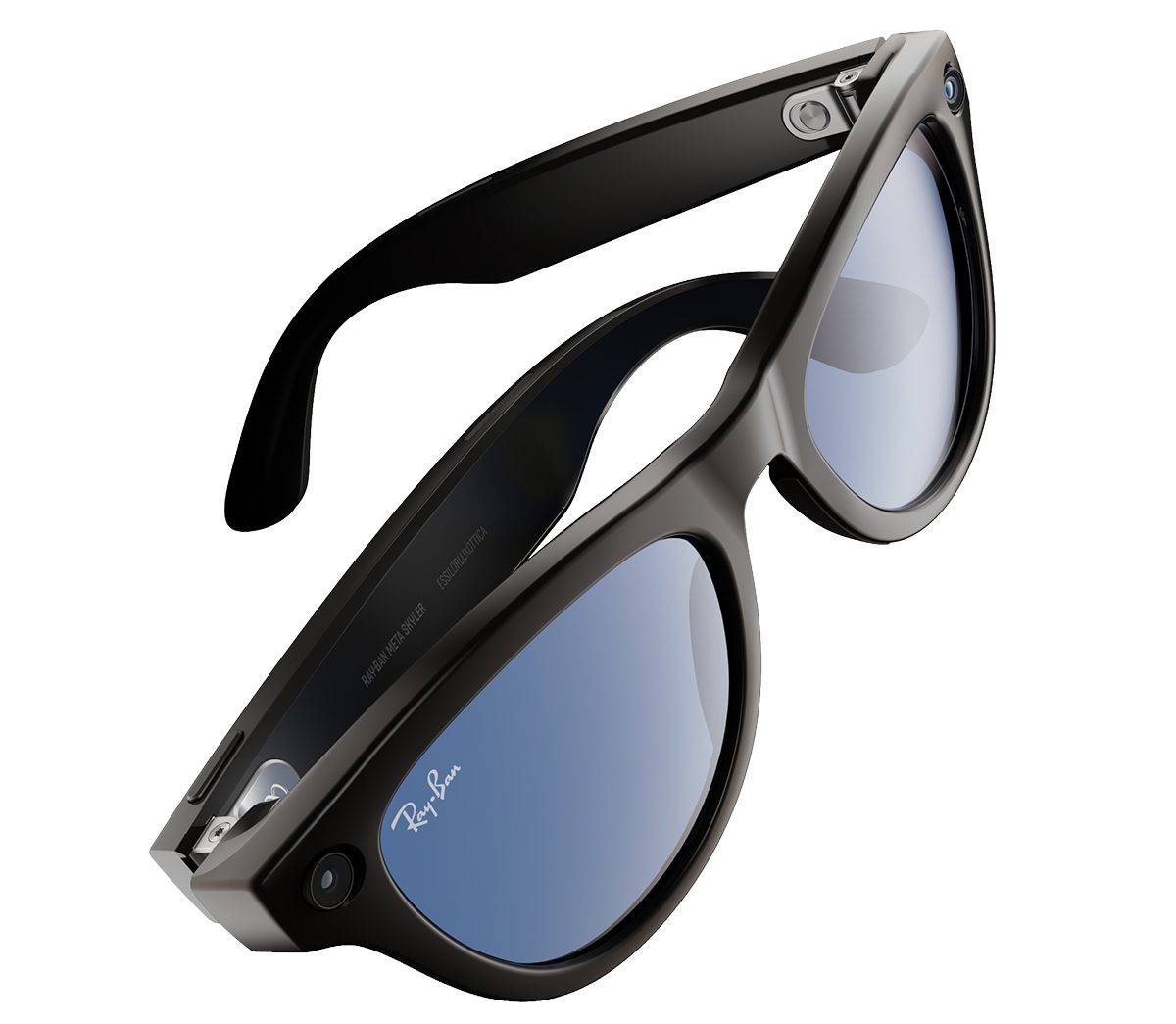 Ray-Ban Meta AI-Powered Display Glasses
Developed through a collaboration between EssilorLuxottica and Meta, the latest Ray-Ban Display edition combines classic styling with an integrated AI visual output, showing notifications, maps, translations, and more directly in your line of sight. It blends fashion and utility while pushing mainstream adoption of AI eyewear.
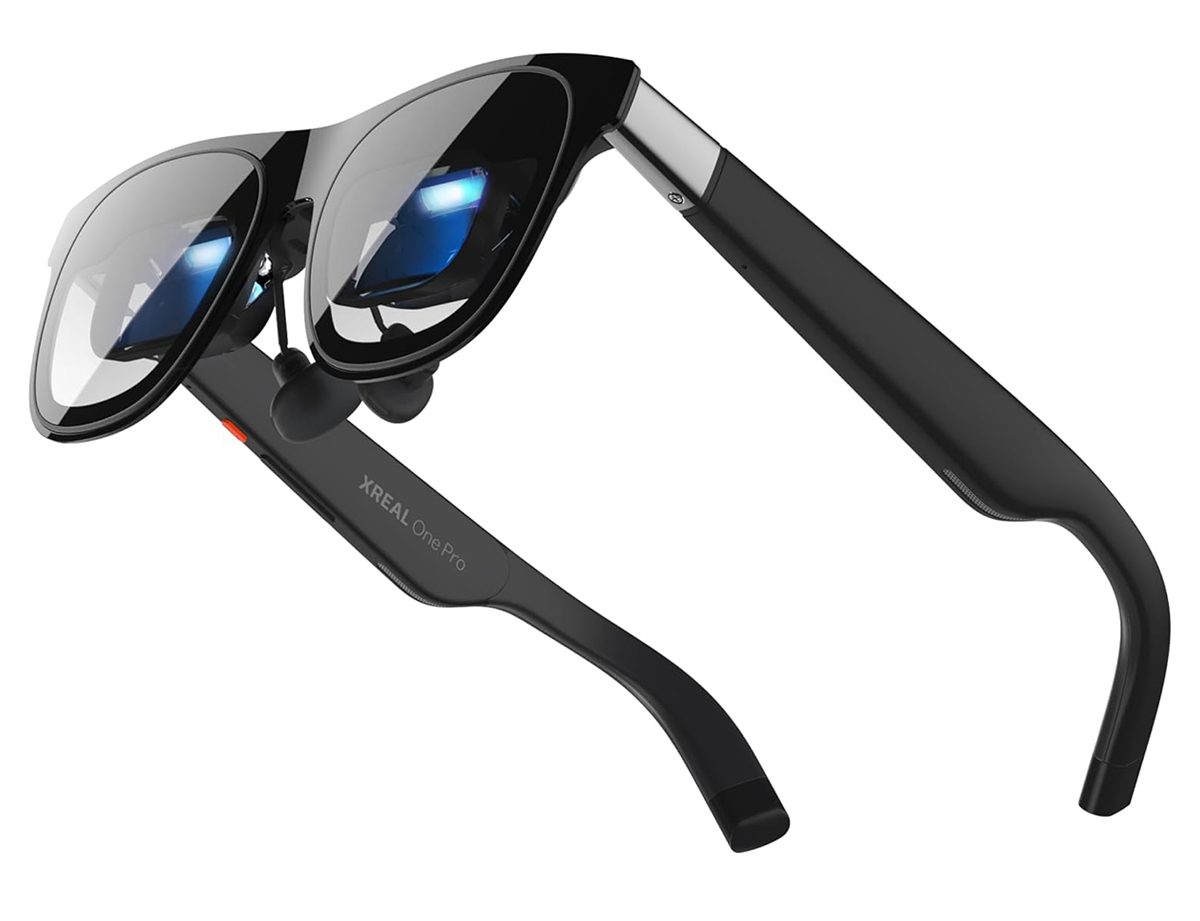 XREAL One Pro AR Glasses
Balanced between everyday wear and premium AR capability, the XREAL One Pro stands out for its broad compatibility, crisp visuals, and immersive display tech. It’s one of the most versatile AR glasses available in 2026.
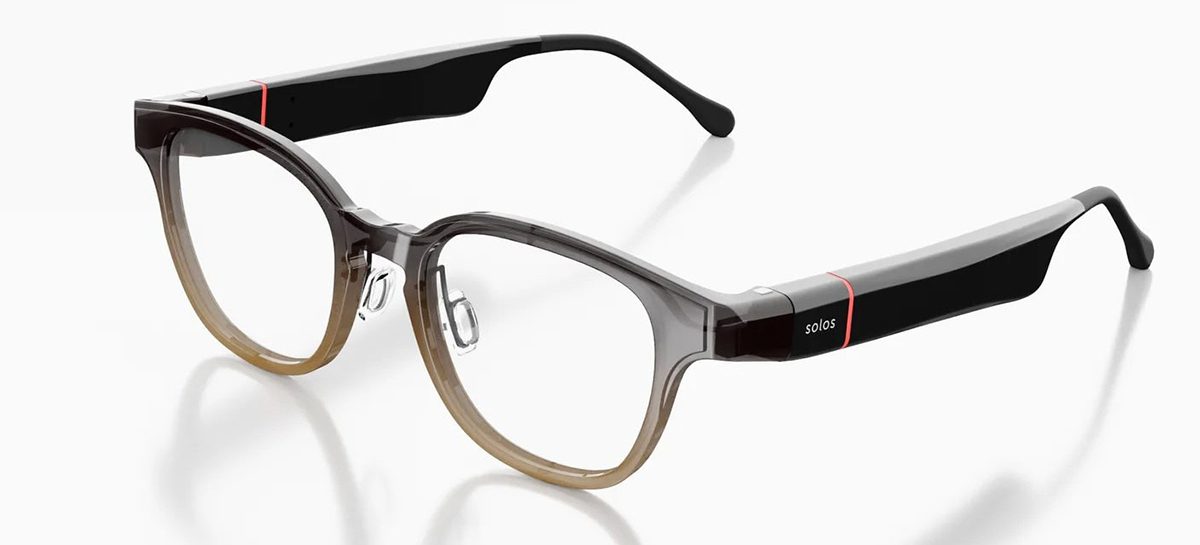 Solos AirGo Vision
Developed by Solos, these AI-powered frames specialise in productivity and fitness. They provide posture tracking, audio coaching, and real-time notifications, all within modular frames that allow lens and style swaps.