
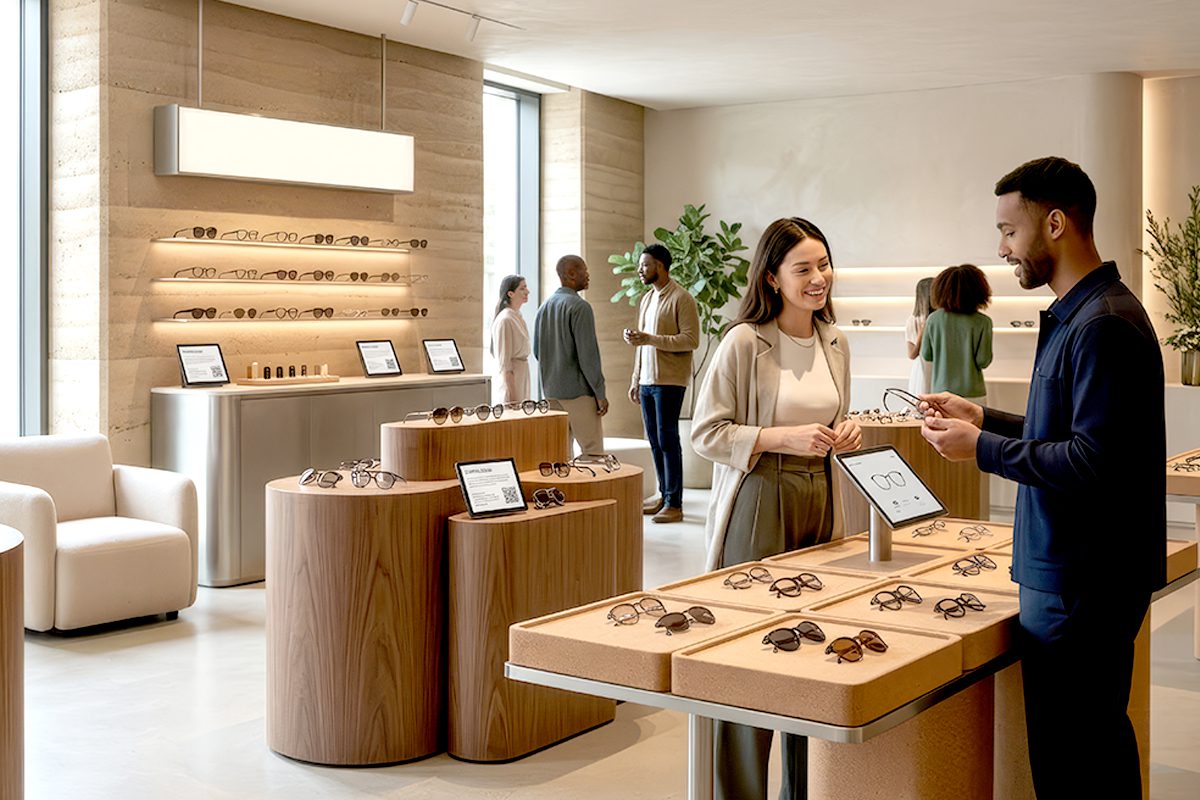
In 2026, retail is no longer defined by shelves, square footage or footfall alone. It is defined by feeling. By memory. And by how seamlessly a brand moves between physical, digital, and emotional touchpoints. The store has evolved into a stage, one where every detail, from scent to sound to service, contributes to a larger narrative.
Welcome to Considered Commerce
In 2026, retail is no longer defined by shelves, square footage, or footfall alone. It is defined by feeling. By memory. And by how seamlessly a brand moves between physical, digital, and emotional touchpoints. The store has evolved into a stage — one where every detail, from scent to sound to service, contributes to a larger narrative.
From Transaction to Transformation
Today’s most successful retail spaces are not simply selling products — they are curating moments. Consumers are entering stores with sharper expectations and less patience. They are seeking value that extends beyond price: authenticity, discovery, personal relevance and time well spent. The modern shopper wants to feel engaged, understood and rewarded for their attention.
Retailers are responding by shifting away from volume-driven layouts toward experience-led journeys. Stores now unfold like narratives — slow and
inviting at the entrance, immersive at the centre, reflective at checkout.
A fragrance boutique might guide customers through olfactory moods; a gourmet retailer may offer sensory tastings that transform browsing into participation.
The emphasis is no longer on transaction speed, but on meaningful engagement.
The Phygital Ecosystem
This transformation is powered by what many describe as the “phygital” ecosystem — the seamless integration of physical and digital retail. In 2026, these are no longer separate strategies.
Smart mirrors, QR-enabled storytelling, AI-assisted recommendations and digital concierge services quietly support the in-store experience. Technology is intentionally unobtrusive:
less spectacle, more intuition.
The objective is not to impress with novelty, but to assist naturally. Systems learn preferences, recall purchase histories and suggest relevant discoveries in ways that feel human rather than algorithmic. When technology disappears into the background, the customer remains at
the centre.
The Curated Edit
Another defining shift is the rise of the curated edit. Choice fatigue is a genuine concern in an age of abundance and retailers are responding by editing with intention. Instead of overwhelming customers with endless options, brands are presenting tighter assortments, hero pieces and story-driven collections. The store becomes an editorial space — structured around seasonal narratives, limited releases and meaningful collaborations.
This editorial mindset builds trust. Customers perceive clarity as confidence; when a retailer stands behind a considered selection, value becomes easier to understand. Curation in 2026 is not about exclusivity for its own sake — it is about guiding discovery with purpose.
Sustainability, Reframed
Sustainability, too, has matured beyond headline messaging. Consumers now expect responsibility as a baseline. Retail spaces reflect this shift through material choices, refill systems, modular fixtures and packaging designed with longevity in mind. Importantly, the tone has evolved. Instead of overt declarations, brands allow design, durability and transparency to communicate their commitment.
In this new landscape, sustainability feels integrated rather than performative. It is present in how spaces are built, how products are presented and how waste is minimised — subtle signals that align ethics with aesthetics.
 Local Stories, Global Resonance
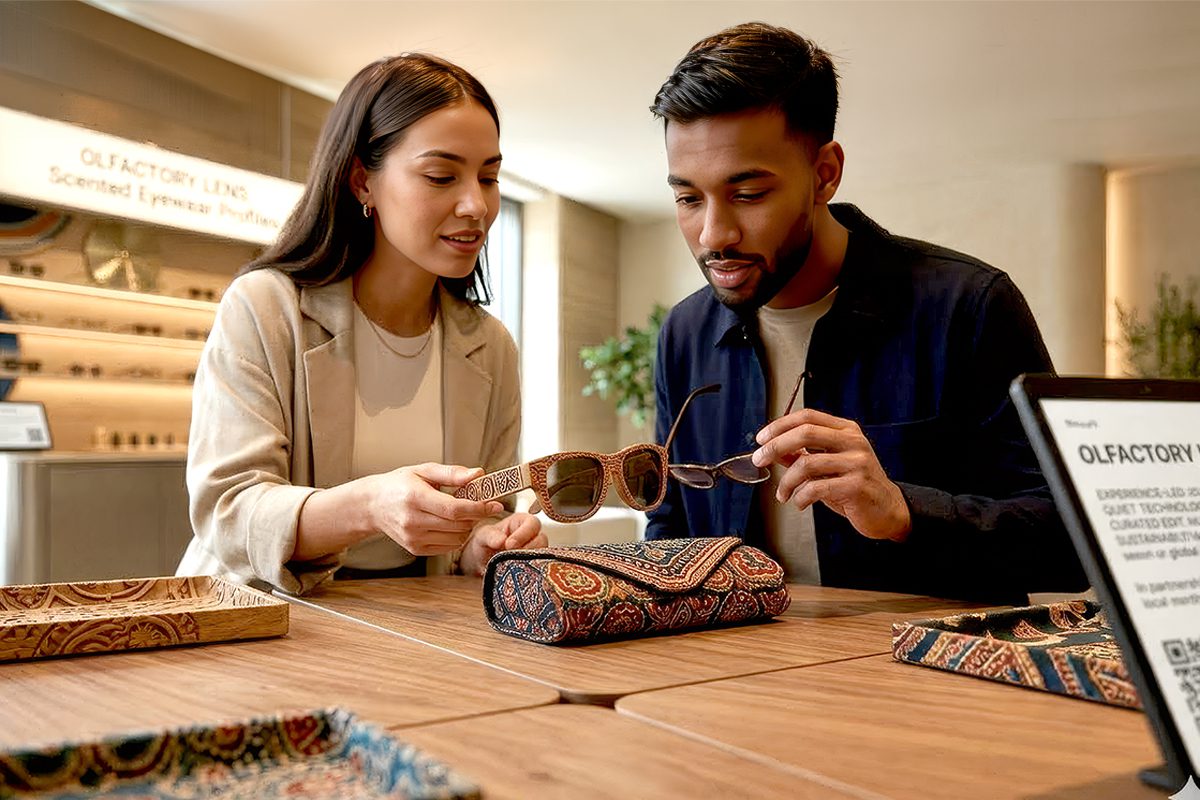
Retail in 2026 also balances global polish with local resonance. International brands increasingly weave regional craftsmanship, flavours and cultural nuance into their retail environments.
City-specific releases, collaborations with local artisans and community-driven storytelling give stores a sense of place while maintaining brand identity. This localisation fosters emotional connection. Customers see their culture reflected in global narratives, transforming stores into spaces that feel both aspirational and familiar.
Staff as Storytellers
Despite rapid technological advancement, human connection remains central. The role of in-store staff has evolved from salesperson to brand storyteller.
Training now prioritises emotional intelligence, deep product knowledge and conversational skill.
Associates act as guides — interpreting brand narratives and helping customers navigate experiences rather than pushing transactions.
Great retail moments in 2026 are remembered less for what was purchased and more for how the experience felt. Service becomes part of the story, reinforcing trust and loyalty.
Time as the New Luxury
Perhaps the most precious currency in this environment is time. Retailers that respect it — through intuitive layouts, frictionless checkout, appointment-led browsing, and thoughtful service — create a sense of ease that customers value deeply.
Efficiency and immersion coexist, allowing visitors to engage at their own pace.
Ultimately, retail tales of 2026 are stories of restraint, relevance and resonance. Success is no longer measured by being louder or bigger, but by being meaningful.
As brands reconsider the role of physical space, a simple truth emerges: stores are not merely points of sale.
They are environments where brand identity is experienced, interpreted, and felt.
Retail is no longer just where products are sold. It is where brands come alive.
Retail Signals to Watch in 2026
- Experience-first store layouts replacing product-dense displays
- Quiet, assistive technology enhancing human interaction
- Curated assortments driving clarity and confidence
- Sustainability integrated into design, not messaging
- Local storytelling within global brand frameworks
- Staff evolving into brand educators and guides
- Frictionless journeys prioritising customer time
Retail’s future belongs to brands that design for emotion, intention and memory, not merely movement.