
Vision in 2026 is no longer a passive sense; it is an active interface between the self and the world.
The eye has become both a lens and a language, shaped by digital realities, evolving lifestyles and a renewed focus on wellbeing. To speak of vision today is to speak of identity, attention, health, design and the future of perception itself.
The New Meaning of Vision
For decades, vision was understood primarily in functional terms: clarity, correction, protection. Today, vision has expanded into something more layered and human. It is about how we process information in a hyper-visual world, how we manage screen fatigue, how we express individuality through design, and how we care for our eyes as part of overall wellness.
In 2026, seeing well is no longer enough. We want to see consciously. From AI-driven diagnostics to emotionally intelligent design, vision is becoming deeply personal. The eye is no longer treated as a standalone organ, but as part of a wider ecosystem — connected to mental health, productivity, creativity and even self-expression.
Living in a Screen-First World
We now spend more time looking at screens than at people. Laptops, phones, tablets, smart TVs, VR headsets — the modern eye lives in constant stimulation.
As a result, digital eye strain, dry eyes, blurred focus and attention fatigue have become the silent epidemics of our time. But instead of retreating from technology, the eyewear industry in 2026 is redefining how we
coexist with it.
Blue-light lenses are no longer a trend — they are standard.
Adaptive lenses now shift tone based on ambient light and screen exposure.
Smart coatings reduce glare, enhance contrast and protect retinal health without compromising aesthetics.
Even more importantly, eye care is becoming preventive rather than reactive.
Annual eye tests are evolving into holistic vision check-ups, incorporating lifestyle data, work habits and screen time patterns. Vision is no longer just measured; it is understood.
 The Rise of Smart and Intelligent Eyewear
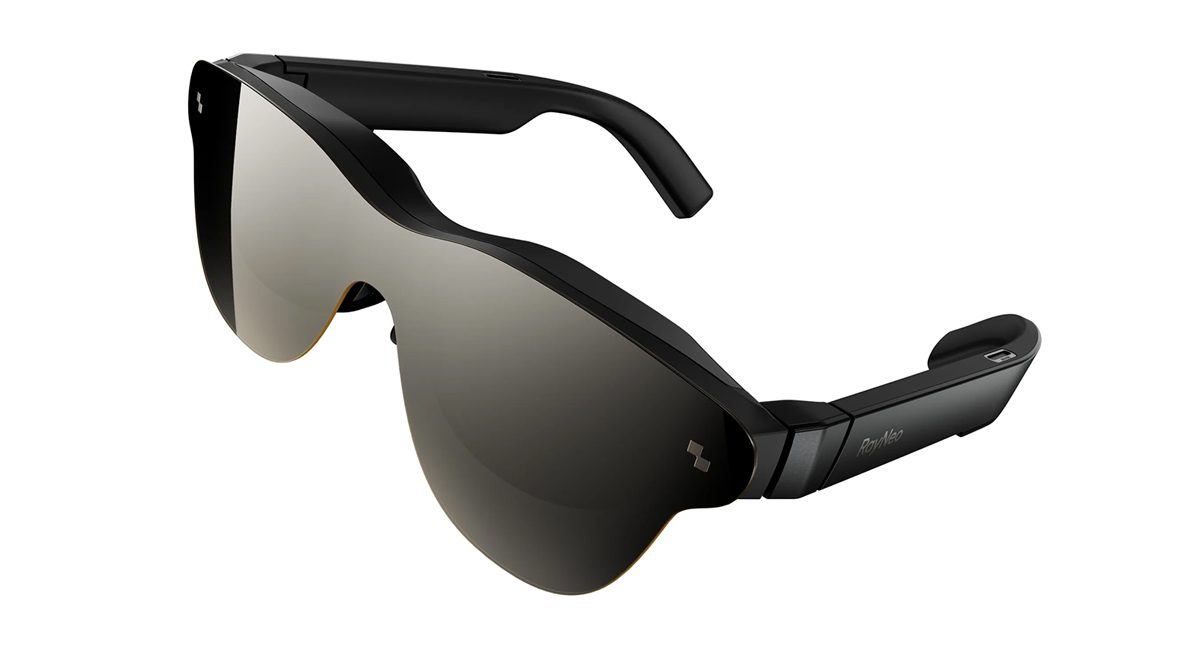
2026 marks a turning point where eyewear begins to blur into wearable technology.
Smart glasses now go beyond notifications and navigation. They assist with posture, detect fatigue, offer real-time translation and even track eye movement to improve learning and concentration. What once felt futuristic has quietly become functional.
Yet, the most interesting shift is not in what these glasses do, but in how they are designed.
Gone are the clunky, obviously ‘tech’ frames. Today’s intelligent eyewear looks indistinguishable from luxury fashion pieces, minimal, sculptural and discreet. Technology has learned to hide behind beauty.
The message is clear: innovation must feel invisible.
Vision as Wellness
One of the most powerful shifts in 2026 is the integration of vision into the broader wellness conversation.
We talk about mental health, gut health, sleep cycles — and now, eye health is finally joining that dialogue. The eyes are no longer treated as isolated organs, but as emotional and neurological gateways.
Poor vision affects confidence. Eye strain impacts productivity. Light exposure influences sleep. Vision, in many ways, shapes how we feel.
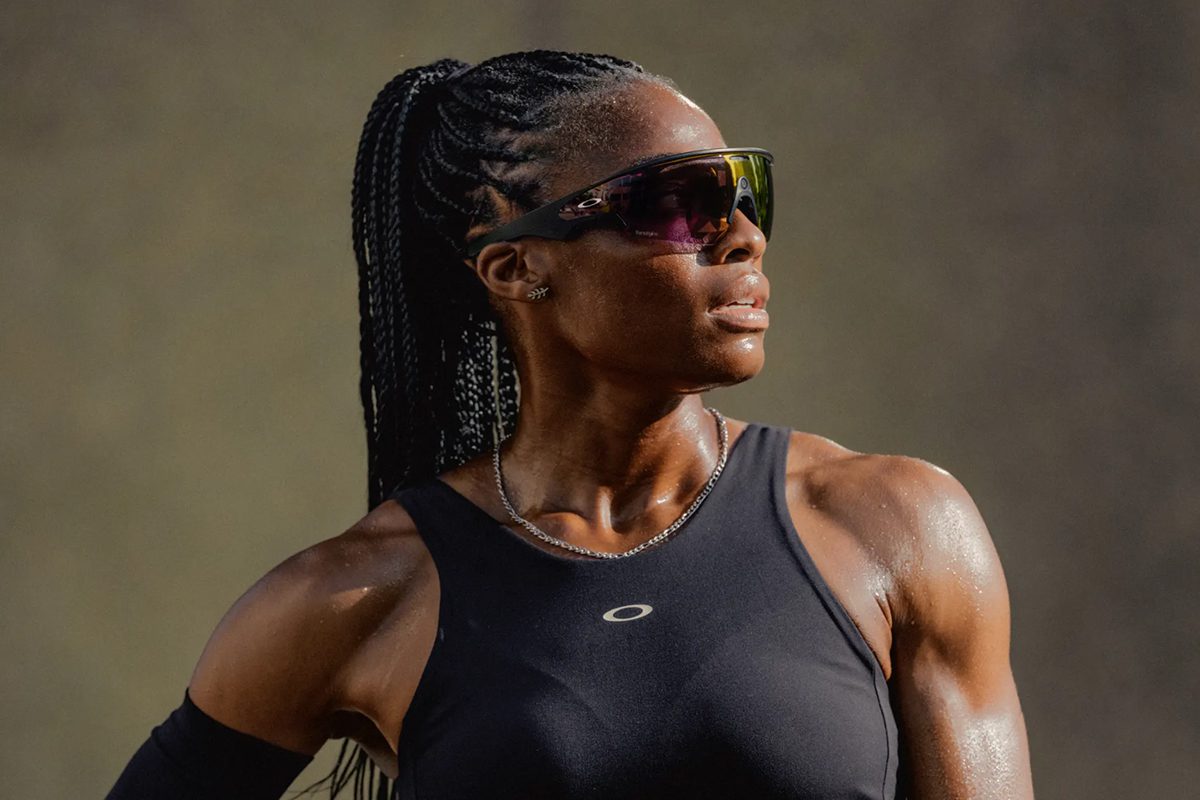
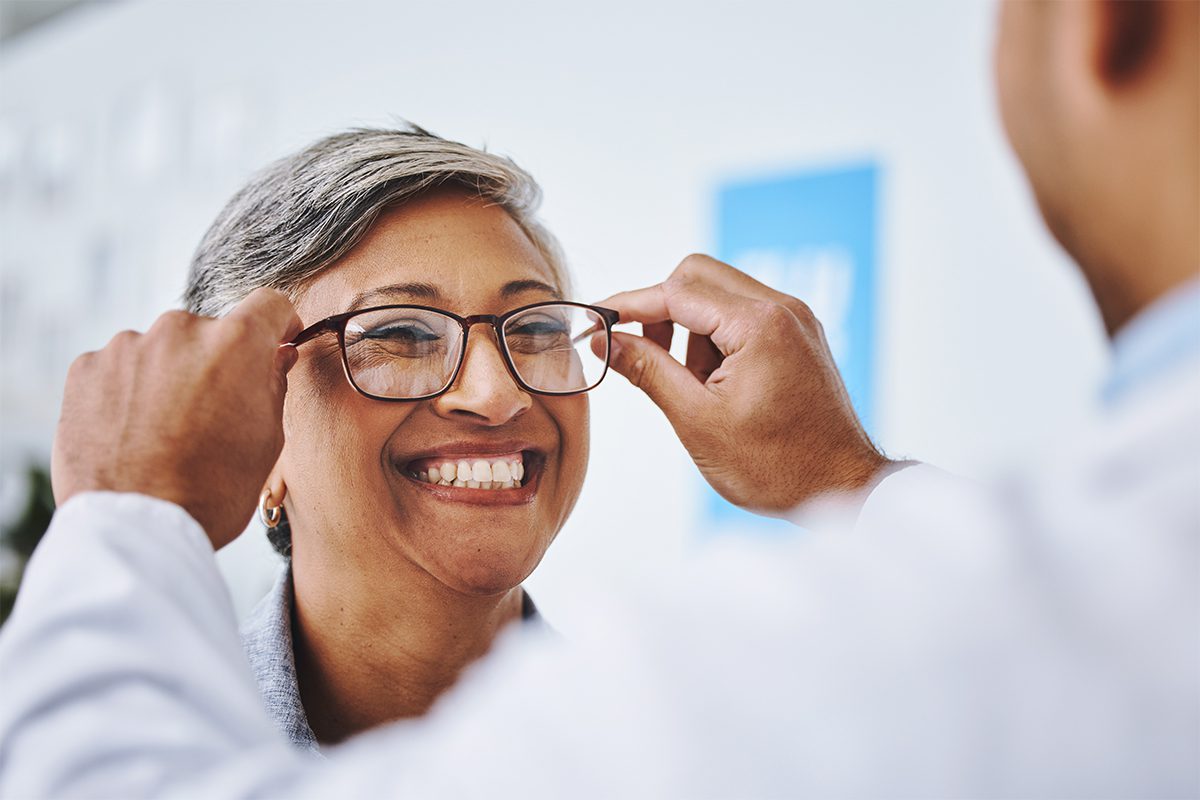
This has led to the rise of mindful eyewear: frames designed for comfort, weight balance and long wear.
Sustainable materials are becoming the norm — plant-based acetates, recycled metals and low-impact production methods. Lifestyle lenses are customised for driving, working, gaming, travel and even meditation.
Eyewear is becoming less about correction and more about care.
From Accessory to Identity
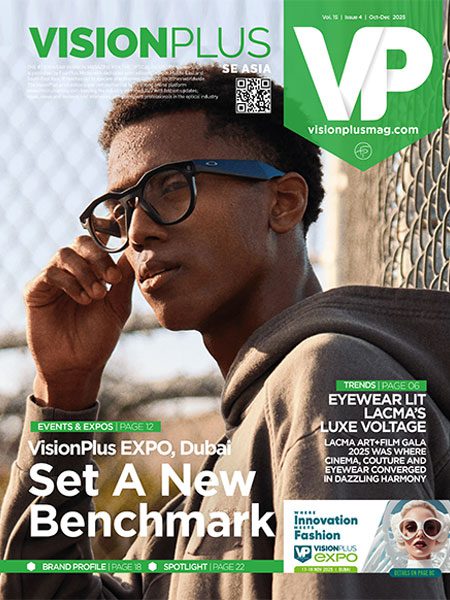
In 2026, eyewear has fully crossed into the territory once reserved for handbags, watches and shoes. It is no longer a supporting character in personal style — it is often the main one.
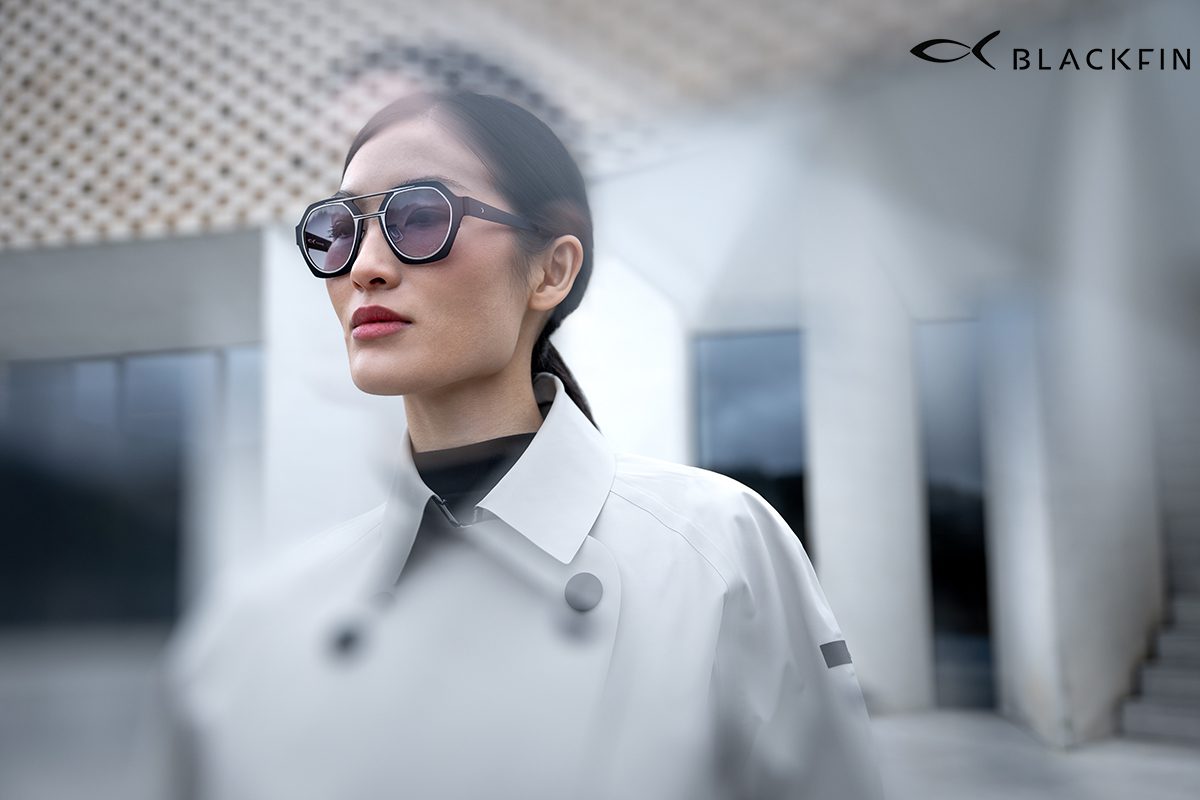
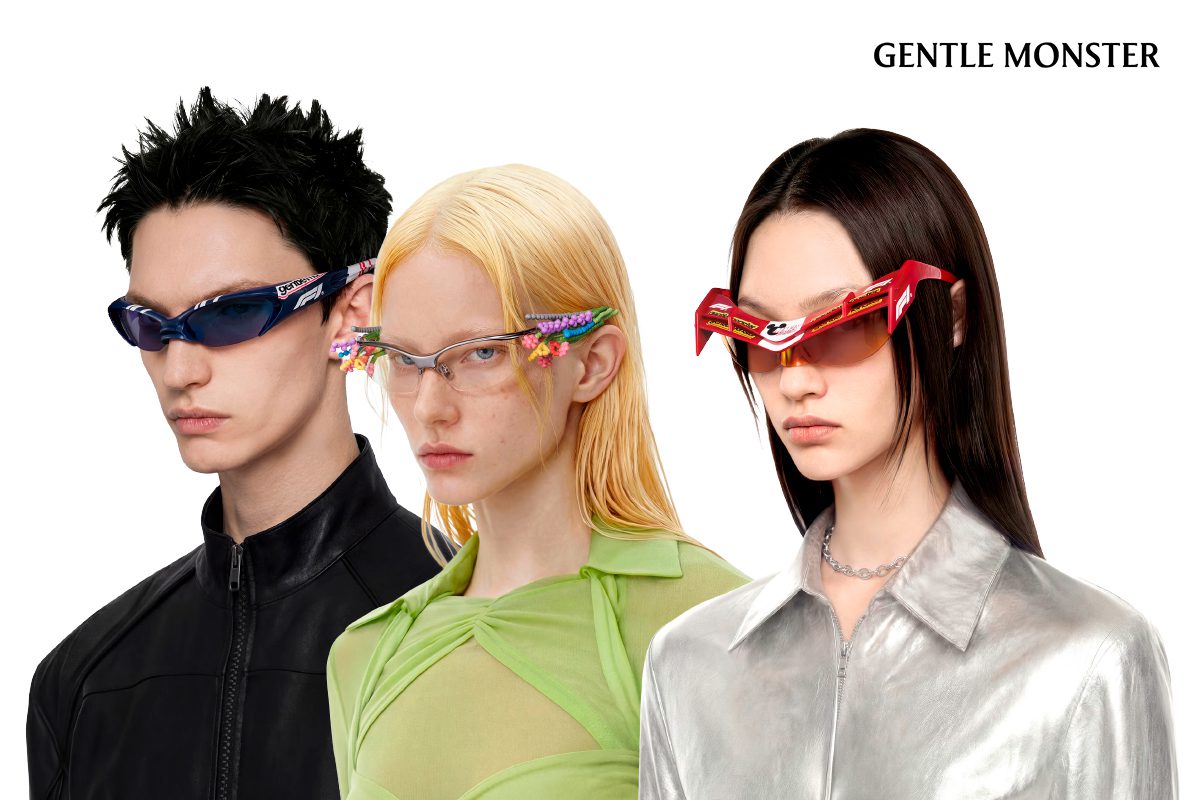
Frames today are sculptural, expressive and intentionally visible. Oversized silhouettes, architectural edges, soft organic curves and experimental colourways dominate collections. The idea of “blending in” has been replaced by “being seen.”
But this is not about loud branding. It’s about quiet confidence.
People are choosing eyewear that reflects who they are — not who they want to imitate. Gender-neutral designs, bespoke fittings, limited editions and artisanal craftsmanship are replacing mass uniformity. Eyewear in 2026 is less about trends and more about personal narrative.
 Seeing Tomorrow
As we move further into this decade, vision will continue to evolve — not just in resolution or speed, but in meaning.
We will see more personalised eye care, more sustainable production, more emotionally intelligent design and deeper integration between wellness, fashion and technology.
But above all, we will see a cultural shift toward intentional seeing — a world where we are more aware of what we consume visually, how it affects us, and how we choose to present ourselves in return.
In 2026, vision is no longer just about what is in front of us.
It is about how we choose to look at the world — and how we allow the world to look back.
Vision is becoming less about perfection and more about presence.
The future eye is not a machine — it is deeply human.