

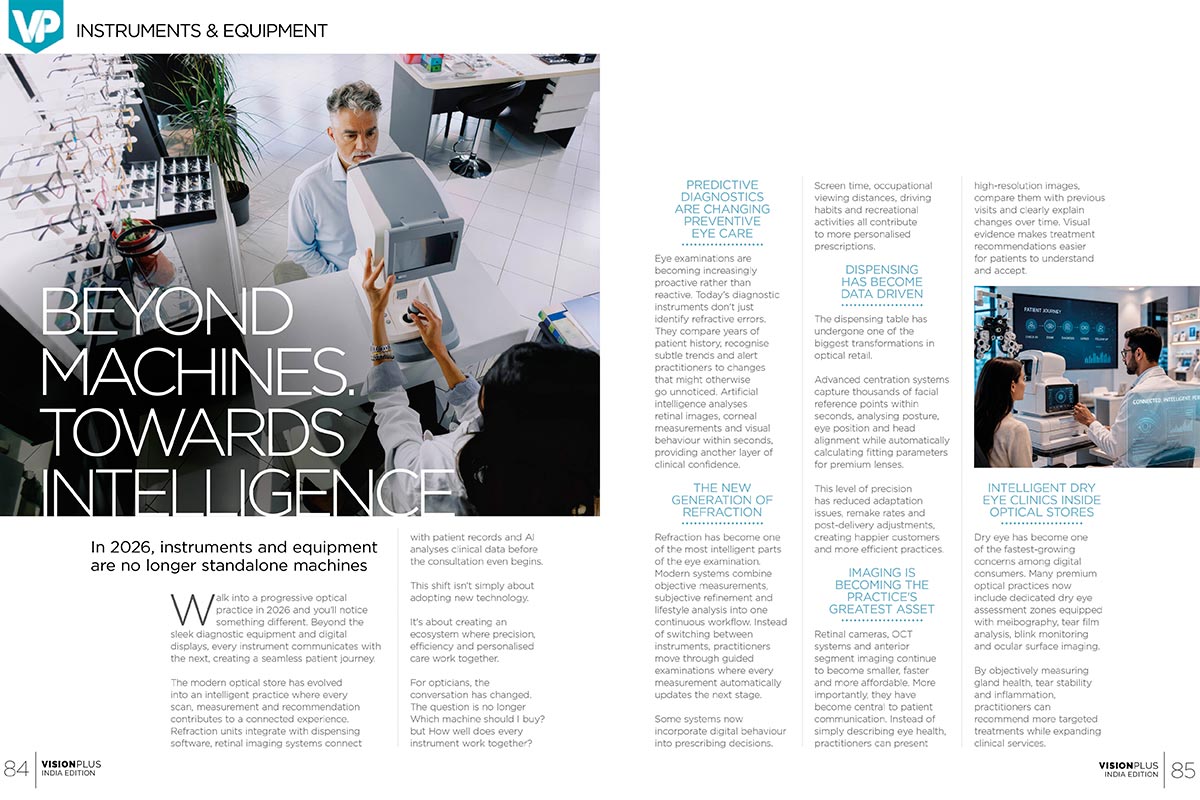
Beyond Machines. Towards Intelligence
In 2026, instruments and equipment are no longer standalone machines
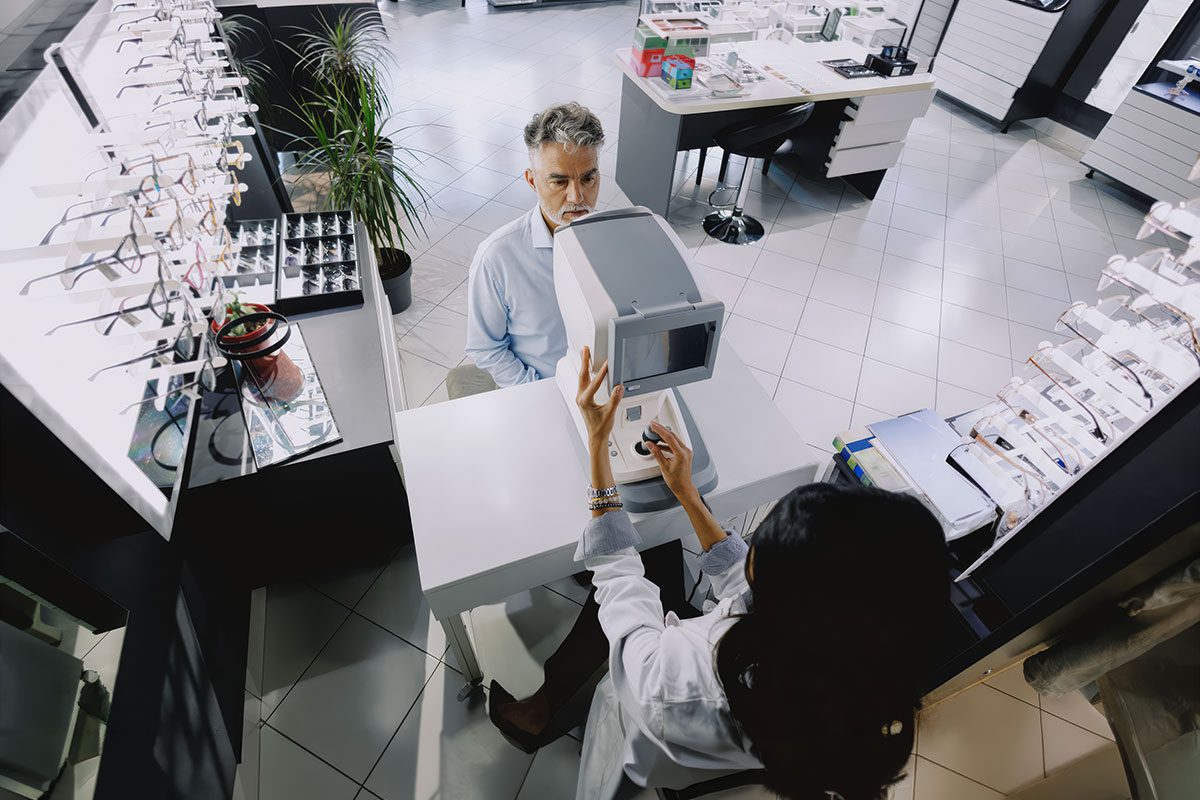
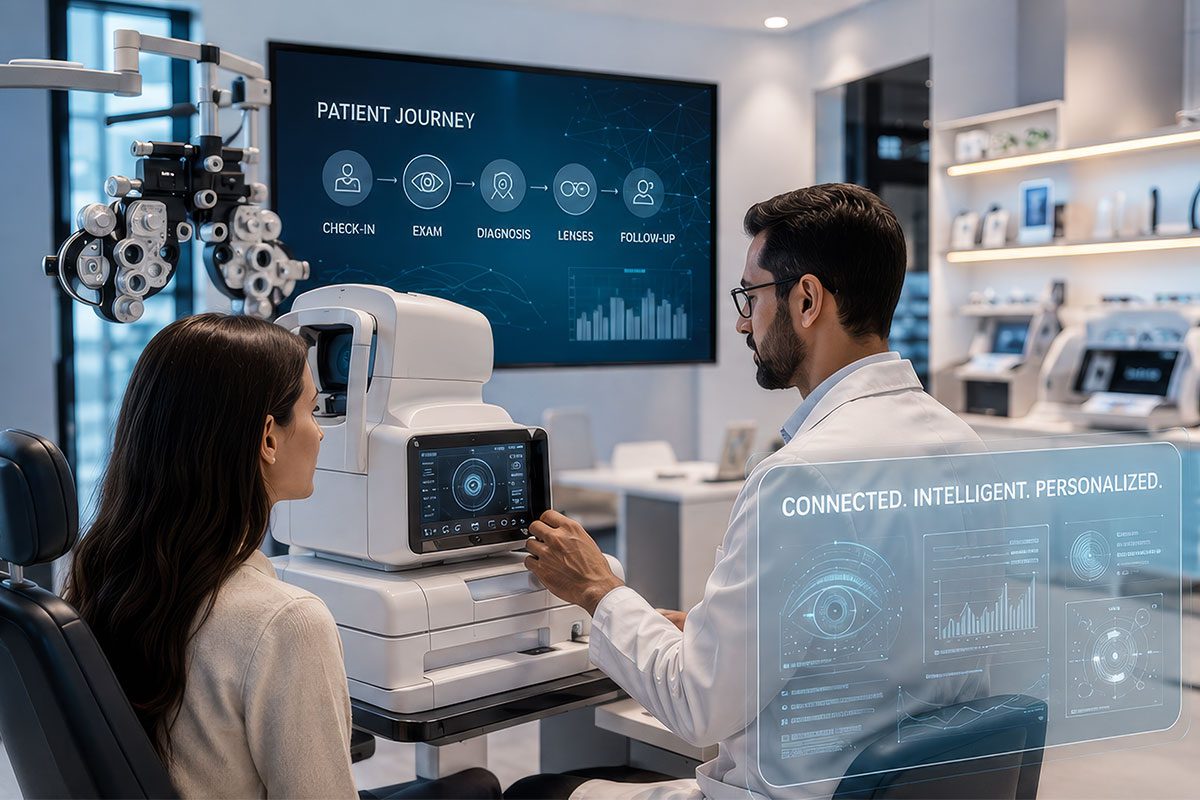
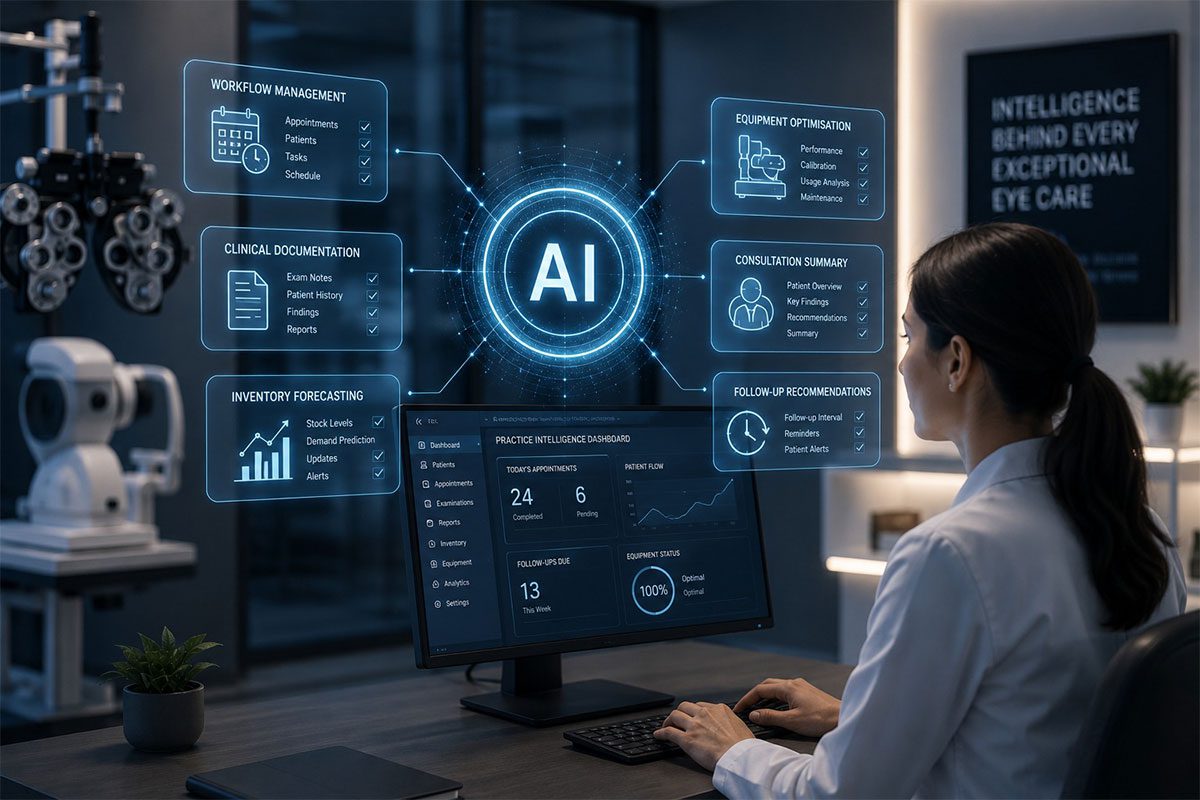
Walk into a progressive optical practice in 2026 and you’ll notice something different. Beyond the sleek diagnostic equipment and digital displays, every instrument communicates with the next, creating a seamless patient journey.
The modern optical store has evolved into an intelligent practice where every scan, measurement and recommendation contributes to a connected experience. Refraction units integrate with dispensing software, retinal imaging systems connect with patient records and AI analyses clinical data before the consultation even begins.
This shift isn’t simply about adopting new technology.
It’s about creating an ecosystem where precision, efficiency and personalised care work together.
For opticians, the conversation has changed. The question is no longer Which machine should I buy? but How well does every instrument work together?
Predictive Diagnostics Are Changing Preventive Eye Care
Eye examinations are becoming increasingly proactive rather than reactive. Today’s diagnostic instruments don’t just identify refractive errors. They compare years of patient history, recognise subtle trends and alert practitioners to changes that might otherwise go unnoticed. Artificial intelligence analyses retinal images, corneal measurements and visual behaviour within seconds, providing another layer of clinical confidence.
The New Generation of Refraction
Refraction has become one of the most intelligent parts of the eye examination.
Modern systems combine objective measurements, subjective refinement and lifestyle analysis into one continuous workflow. Instead of switching between instruments, practitioners move through guided examinations where every measurement automatically updates the next stage.
Some systems now incorporate digital behaviour into prescribing decisions.
Screen time, occupational viewing distances, driving habits and recreational activities all contribute to more personalised prescriptions.
Dispensing Has Become Data Driven
The dispensing table has undergone one of the biggest transformations in optical retail.
Advanced centration systems capture thousands of facial reference points within seconds, analysing posture, eye position and head alignment while automatically calculating fitting parameters for premium lenses.
This level of precision has reduced adaptation issues, remake rates and post-delivery adjustments, creating happier customers and more efficient practices.
Imaging Is Becoming the Practice’s Greatest Asset
Retinal cameras, OCT systems and anterior segment imaging continue to become smaller, faster and more affordable. More importantly, they have become central to patient communication. Instead of simply describing eye health, practitioners can present high-resolution images, compare them with previous visits and clearly explain changes over time. Visual evidence makes treatment recommendations easier for patients to understand and accept.
Intelligent Dry Eye Clinics Inside Optical Stores
Dry eye has become one of the fastest-growing concerns among digital consumers. Many premium optical practices now include dedicated dry eye assessment zones equipped with meibography, tear film analysis, blink monitoring
and ocular surface imaging.
By objectively measuring gland health, tear stability and inflammation, practitioners can recommend more targeted treatments while expanding clinical services.
Automation Is Reshaping Lens Production
Behind the scenes, laboratory equipment has become remarkably autonomous. Today’s edging systems identify frame characteristics, recommend mounting techniques and automatically adjust cutting parameters according to lens material. Integrated quality control cameras inspect finished lenses before delivery, reducing human error while maintaining exceptional consistency.
Remote Support Is Becoming Everyday Practice
Connected equipment has introduced a major operational advantage.
Manufacturers can remotely monitor machine performance, install software updates, diagnose faults and perform predictive maintenance before breakdowns occur. For busy practices, this means less downtime, fewer interruptions and lower service costs.
Equipment That Learns Alongside the Practice
The latest generation of instruments doesn’t remain static after installation. Cloud-connected systems continuously receive software enhancements, expanded diagnostic capabilities and improved AI algorithms without replacing the hardware.
Practices are effectively investing in platforms rather than standalone products.
Sustainability Is Becoming Built Into Innovation
Environmental responsibility is increasingly influencing equipment design. Manufacturers are introducing energy-efficient systems, repairable modular components and recyclable consumables that reduce operational costs and environmental impact.
Digital documentation and cloud storage have further streamlined record management while reducing paper use.
Beyond Machines, Towards Intelligent Experiences
The optical practice of 2026 isn’t defined by having the newest OCT or the fastest lens edger.
It’s defined by how intelligently every piece of equipment contributes to the customer experience.
Patients remember how seamless the examination feels, how clearly their eye health is explained and how accurately their lenses perform.
The future of optical retail isn’t about owning more technology.
It’s about creating an ecosystem where every instrument works with purpose, every measurement adds value and every innovation makes vision care more human.